Disaster Preparedness and Recovery
Disaster Preparedness
While it’s something we never wish for, disasters will occur. And while preparedness is key, having a good recovery is the next step to moving forward. It can be an overwhelming process, you may not even know where to start, but a simple call, email, or booking is all you need to ask for our help.
Endangered Heritage is registered with the Federal Emergency Management Agency (FEMA). But that’s only the tip of the iceberg, our Director, Victoria Pierce, is a committee member for the International Scientific Committee on Risk Preparedness (ICORP) and International Council on Monuments and Sites (ICOMOS). These are the organisations that advise UNESCO and national governments around the world whenever there is a major disaster. So trust us to have the expertise to advise and aid you in your time of need.
From mould and mildew to floods, fires, insect infestations, as well as vandalism and breakage, our expertise is wide, varied, and ever-expanding.
In the wake of a disaster, don’t panic. Just book an appointment with us and our team of conservators will come to assess the damage, identify any potential associated health risks, triage what we can, help you figure out a plan of action to deal with the damage as well as treat the items.
Fire and Smoke
Most smoke and soot damages are treatable.
Remember that as water is the main method used to fight fires, much of the advice relating to flood damage will also apply to items damaged by fire.
Safety
Fire leaves most metal things rusty and dirty. Tetanus is a significant risk, especially when cleaning through the remains of sheds.
If you plan on entering a fire-damaged site, the FIRST thing you should do is to see your GP and get a tetanus shot.
Fires produce highly toxic smoke and soot as well as structurally damage buildings. You will not be able to re-enter your premises until it has been assessed by authorities as being safe.
Flood
Dealing with water damage
Water damages many objects, but drying things out can often make matters worse and can even make some damage impossible to treat. Dye bleeds and water tide lines need to be dealt with while the items are still wet.
Paper items, textiles, and photographs need to be assessed by a conservator as soon as possible. If things cannot get to us straight away, seal them individually in plastic bags and get paper items into a freezer. DO not freeze photos, wax items or large textiles like carpets.
A fundamental part of any flood response is the careful removal of moisture.
One of the most effective ways to do this is with a dehumidifier.
Endangered Heritage has large and small dehumidifiers for sale, and we also have hire units available in the event that you require one short-term to deal with an unexpected flood or inundation. We can also advise on appropriate use.
Safety
Most mould are toxic, but any moulds found on protein-based materials (leather, wool, silk, furs, parchment) will quite happily live on the surface of your lungs and are therefore HIGHLY HAZARDOUS.
Mould and Mildew
There are two main conditions conducive to the growth of moulds and mildew. One is moisture and the other is stale air.
Dealing with mould and mildew
- Exposure to strong sunlight for half an hour will kill most types of mould on textiles or leather. Strong sunlight can cause fading, but where mould is concerned, sunlight is the lesser of two evils. This process may not necessarily remove the mildew stains.
- Removal and/or stain reduction of mildew can be done by a conservator, but it is very time consuming and expensive
- Do not bleach items
Prevention is better than cure
- Store items where they will not be exposed to high humidity. Not in sheds, roof spaces, or cellars
- Do not leave textiles resting against surfaces that absorb moisture from the air e.g. brick or concrete
- Do not keep items in a linen press or cupboard if it is situated in a laundry or anywhere near clothes drier
- If items are musty, air them as soon as you can
- Do not store textiles where humidity may get trapped in with the items e.g. in plastic bags
- Do not seal the backs of frames on humid days, wait until the weather is dry
- Check your frames from time to time to ensure moisture is not trapped in them
- Do not use vacuum-sealed bags for heritage items. The lack of air makes the atmosphere very stuffy, and this is detrimental for the contents
- Do not leave items in the bottom of the laundry hamper or ironing basket
Insects
No matter how tidy a home is, insects are about and may decide that some of your possessions are tasty.
Time is of the essence. Insects can spread fast and cause a lot of damage.
Contact us as soon as possible so we can help you establish the spread of the infestation, get things quarantined, and get treatment underway.
Why Cancer Patients Need a Natural Disaster Plan
People with cancer have more to think about and prepare for in the event of an emergency.
They have to think about maintaining their treatment schedule and keeping up with their medications. Disasters such as hurricane Ian in 2022 can disrupt essential services, such as power, cell phone service and travel routes for days or weeks.
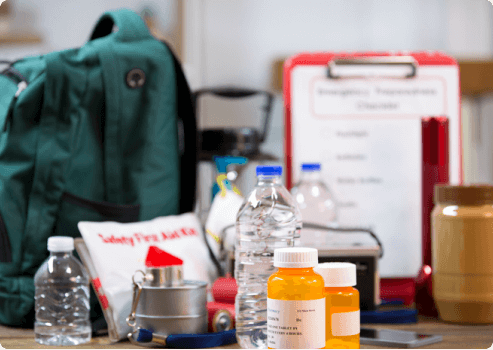
If power is down and roads are blocked, how will cancer patients access the chemotherapy they’re scheduled to have or get a refill on the prescription they need?
These are important things for people with mesothelioma to discuss with family and health care providers before an emergency occurs.
Planning ahead for an emergency or natural disaster is stressful but necessary. The more you do to prepare ahead of time, the better equipped you and your family will be to respond.
For more information refer :
https://www.asbestos.com/support/natural-disaster-emergency-plan/
How Is Asbestos a Risk During a Natural Disaster?
A large number of homes and commercial buildings constructed prior to the 1980s were built with asbestos materials. Those products are considered safe as long as they are in good condition. But once ripped, broken, burned, blown or washed away, the products release toxic asbestos fibers into the air.
Breathing in these fibers in the aftermath of a natural disaster can lead to serious health conditions years later. The more someone is exposed to asbestos, the higher their risk of developing asbestos-related diseases such as a cancer called mesothelioma.
Natural disasters pose dangers from the moment they occur. People don’t often consider health risks after a tornado rips through their neighborhood or a flash flood destroys their personal possessions.
Asbestos exposure isn’t an immediate danger such as live electrical wires, gas leaks or unstable infrastructure. It also isn’t as apparent as more obvious health risks such as black mold. Asbestos fibers are microscopic and travel by air or in clouds of dust, so you can be exposed and not even know it.
It is essential to consider and properly prepare for asbestos exposure prevention when planning for natural disasters and severe weather. Knowing how to keep safe from asbestos after a disaster can help prevent health conditions later in life.
For more information refer:
https://www.asbestos.com/asbestos/natural-disasters/
Vandalism and Breakage
Dealing with vandalism or breakage
Unintentional or deliberate, sometimes things get broken. Collect up all the pieces carefully and bring them to us. You would be surprised what can be repaired.
Much of the time spent in the conservation of broken items involves the removal of well-meant DIY repairs.
Do not rub broken edges against each other to get them to fit, and please don’t adhere bits together yourself.
Safety
Please be careful when dealing with broken glass.
When dealing with any corroded metal, our advice is to see your GP and get a Tetanus shot before handling anything.
